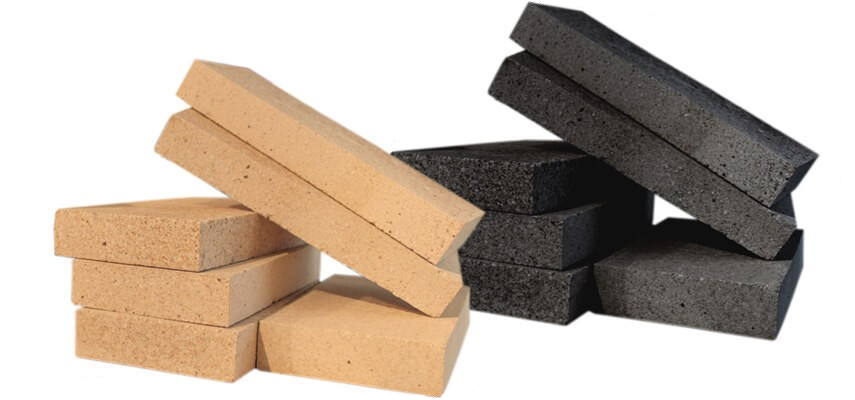
A defect in an old brick barbecue does not always mean that filling it with new material is enough. First, you need to check whether the bricks and support remain stable. Mortar can restore the proper connection, but it will not repair a movable section of the wall just by covering the crack.
Examine the damage after removing loose parts
Work on a cold barbecue that is out of use. Take photos before cleaning to record the crack pattern. Then check if the edges of the damaged area are strong and if, after removing weak material, a connection remains that can be restored according to the design.
If the brick moves, part of the wall settles, or the support of the grate has changed, determine the extent of the reconstruction. In such a place, adding additional layers masks the symptom. Also check the water drainage and the condition of the cover; moisture may return the same way after every rain.
Select material according to the dimensions of the repair
Outdoor Oven Cement applies to specific external refractory joints. Selection includes the type of brick, geometry, and substrate preparation. Do not use a compound intended for minor internal repairs just because it is available in the workshop.
Heatproof Screed is intended, among other things, for appropriate larger refractory fillings. Here too, a compatible layout and support are needed. A large defect of unknown cause does not become a correct detail simply by choosing a material with higher thermal resistance.
Allow time to prepare for work
Prepare the area where the new material will bond according to the current instructions. Secure the fresh repair and record the conditions of its execution. Even if the new joint is hard, wet bricks may require further drying.
Adjust reheating to the repaired equipment and materials. After the planned stage, inspect the area again and keep a photo. If the crack returns next to the same brick, return to assessing its support and the behaviour of the structure, instead of enlarging the surface of another patch.