The steel grate needs a designated support, and the hot part of the grill requires proper lining and insulation. The mortar and board do not fulfill all these functions simultaneously. Before starting work, show in the cross-section which parts bear weight and where heat flow should be limited.
Mark the grate support
Check the support points on a cold barbecue. Add the placement of the used levels and the equipment removal path. Accidental support of the edge on a thin cut piece can change the load conditions of a section of the lining.
Vitcas refractory bricks should correspond to the function of the hot part. Also assess the condition of the corners at the supports. The appearance of a large flat surface does not tell everything about the place where the equipment rests.
Do not accidentally load the insulation
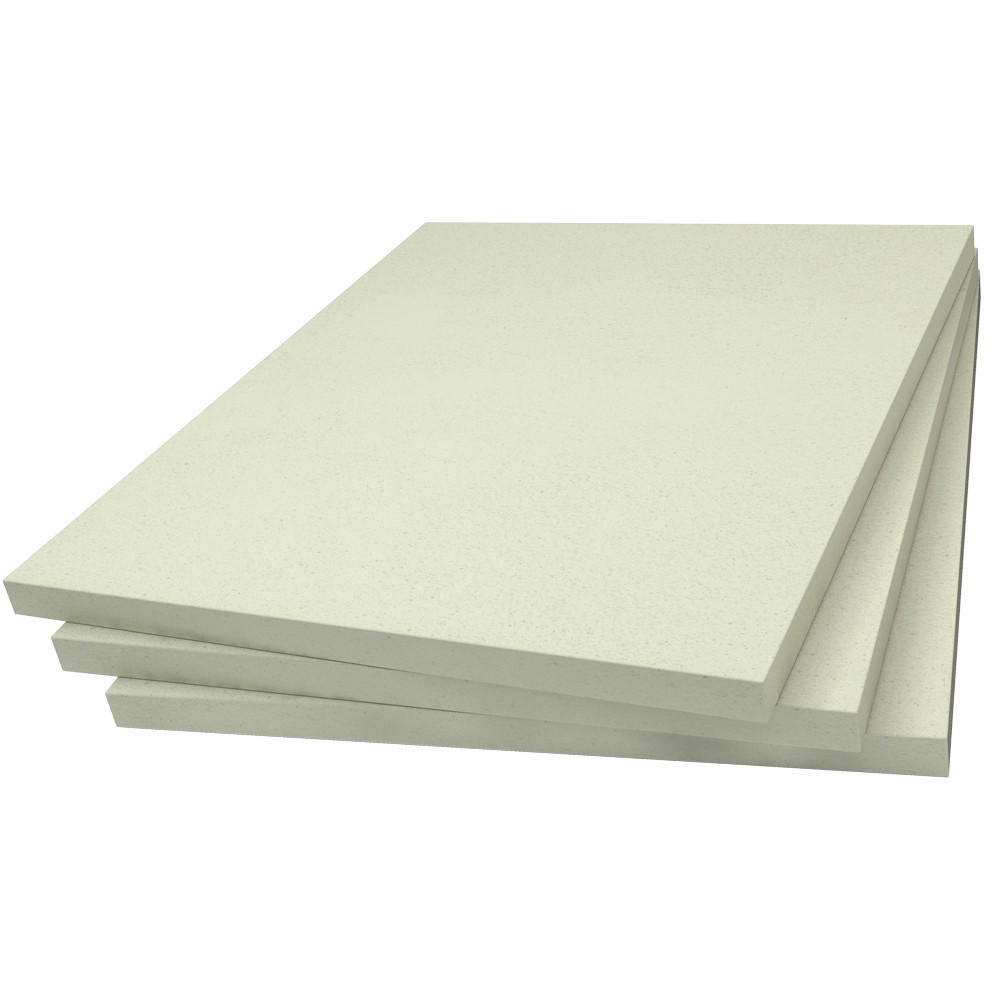
ceramic fibre board is a rigid insulating material for the described systems. Its support and pressure conditions require confirmation for a specific location. The maximum temperature does not describe the allowable weight of the entire grate and cookware.
Mark the continuity of the insulation and the ends at the entrance. The layer cover should match the handling and cleaning method. Do not leave fibres accidentally exposed in the path of tools or in the food zone.
Maintain the function of the connections
Outdoor Oven Cement has described applications in external refractory connections. Do not automatically seal every edge of a steel part with it. The design should maintain the required movement, alignment, and the ability to dismantle the equipment.
Before finishing, photograph the supports and interfaces. When changing the height of the grate, repeat the trial fitting of each used position. Record the product at each layer and the method of retaining it. During later replacement of the grate, compare the entire layout: a different size or weight of the equipment may change the previous conditions of support and insulation.