The steel grate requires secure support, but its seating should also consider heating and subsequent maintenance. Building masonry tightly around a poorly fitted element can make cleaning and replacement difficult. First fit the equipment, only then determine the location of the supports in the walls.
Check the grate in a cold setup
Compare the actual dimensions with the barbecue drawing. See how it will be inserted and removed and where the handle will be. If you allow height adjustment, each position requires a specific support, without tilting or hooking onto a brick.
Metal changes dimensions during operation. The intended clearance or method of support results from the design and equipment requirements. Do not set a single random gap for all grates, regardless of size and temperature.
Separate the lining and insulation
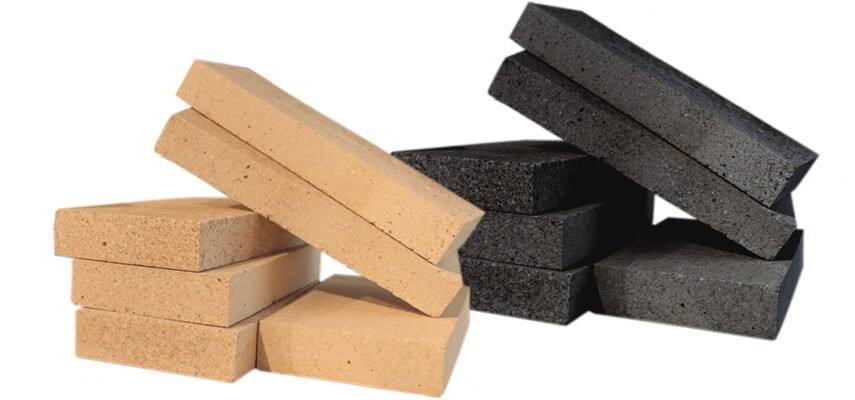
Vitcas firebricks can form a compatible lining for the sides of the firebox. Check the edges where the grate is placed and tools are used. The weight of the equipment should be carried by the designed supports, not by a part of unknown load-bearing capacity.
Ceramic fibre board serves an insulating function in the appropriate assemblies. It is not an automatic replacement for an exposed, impact-resistant wall or a grate support. In the cross-section, show its proper position and cover.
Maintain access to the connections
Outdoor Oven Cement is selected for specific external refractory joints. Do not fill spaces meant to allow movement of a metal part. Describe the joint material next to the drawing of each detail.
Before closing the enclosure, repeat the removal of the grate and cleaning of the firebox. After the required preparation of the barbecue, check the condition of the supports again when cold. Taking a photo of their placement can be useful if crumbling occurs later or if the model of the equipment is changed.