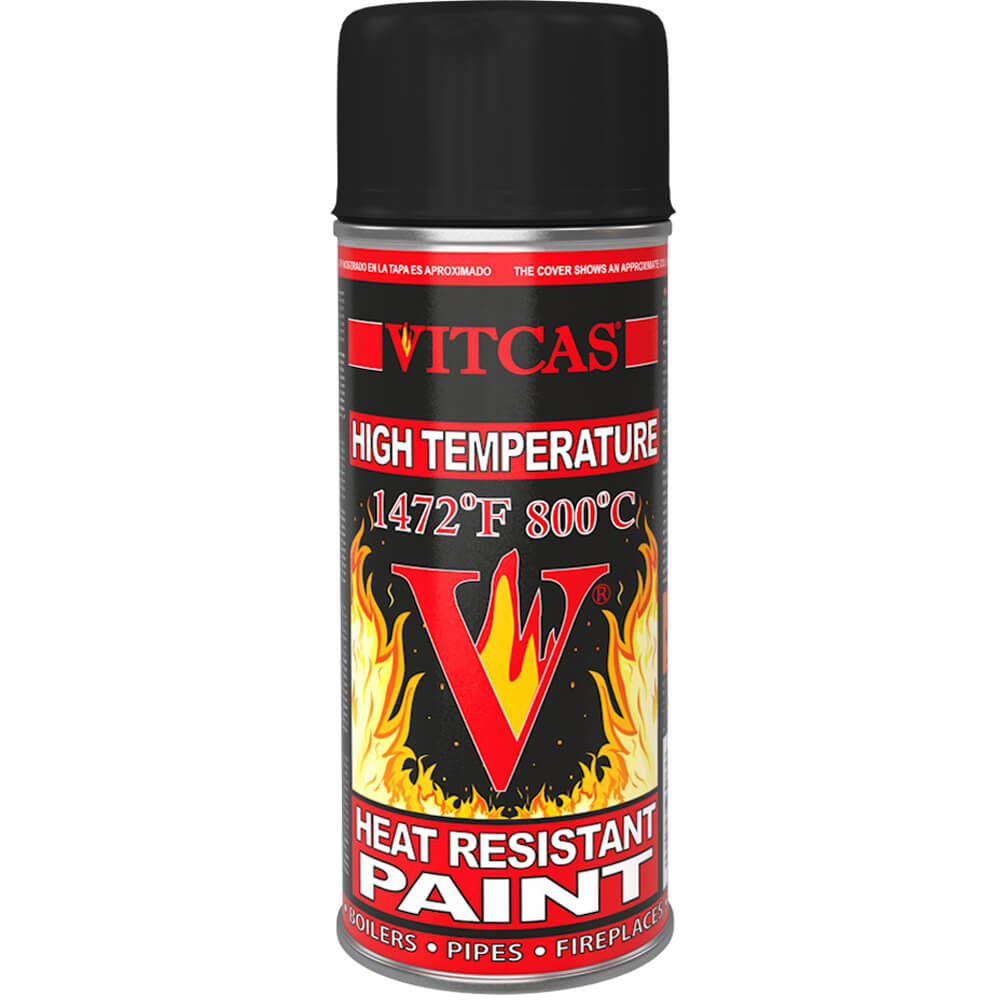
September provides time to refresh the appropriate steel elements of the stove before daily heating. The effect depends on properly prepared surfaces and product compatibility with the area of use. The paint does not repair the door mechanism, metal loss, or a connection that requires a separate material.
Inspect the part before painting
On a cold device, mark rust, loose coating, and areas prone to contamination. Check the stove manual regarding disassembly and refreshing parts. Separate the surface intended for painting from seals, glazing, and control elements.
Vitcas heat resistant paint has described applications on appropriate elements exposed to temperature and declared resistance up to 800°C. The parameter itself does not confirm every substrate or contact with food. For a specific part, the entire intended use of the product matters.
Prepare a clean, stable substrate
Remove contaminants and non-durable residues according to the manual. The preparation method should preserve the geometry and function of the element. Do not apply a random primer layer: the documentation of this paint indicates use without a primer.
If a minor repair of a compatible internal connection is needed, BLACK Fire Cement has a separate scope. The compound and coating perform different tasks. Painting a defect does not restore the missing support nor stabilise a moving part.
Complete the work according to instructions
Plan the application, drying, and required coating preparation before using the device. Protect adjacent surfaces and maintain the conditions specified for the aerosol. Even coverage is not a reason to shorten subsequent steps.
Record the paint name and the area of work performed. After the planned preparation, inspect the component again when cold. If the coating changes locally, compare substrate preparation and working conditions instead of automatically increasing the number of layers for the next renovation.